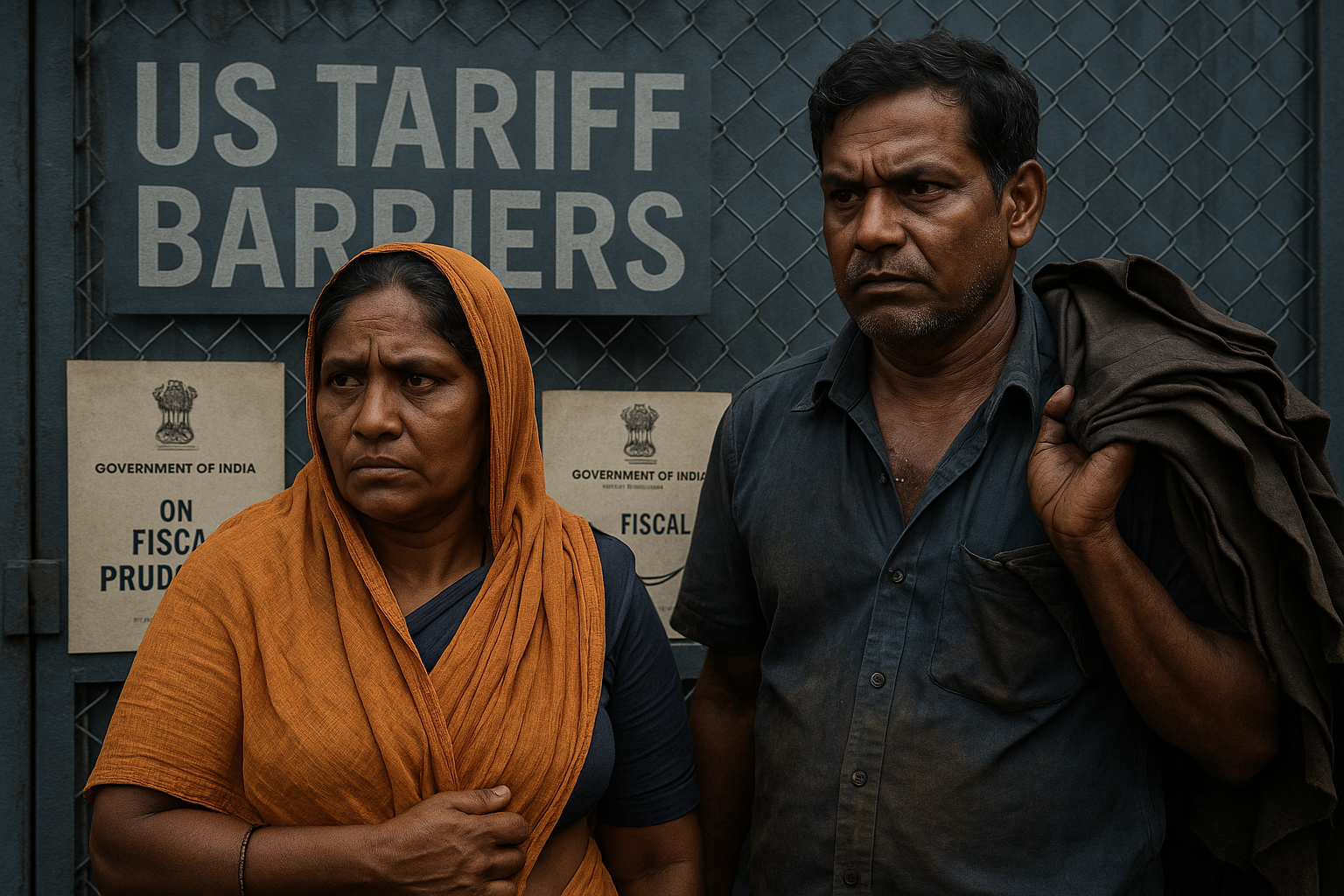
With 50% US tariffs on Indian exports looming, sectors like leather, textiles, and jewellery face significant job and revenue losses. While Brazil announced a $5.5 billion support package, India is considering only a modest $255 million credit plan, reflecting Prime Minister Narendra Modi’s cautious fiscal stance. The government appears focused on cutting red tape and boosting competitiveness rather than large subsidies, a strategy that risks straining small exporters if tariffs persist.
Core Development
Labour-intensive sectors in states like Uttar Pradesh and Gujarat are expected to be hardest hit.
India’s proposed response: a small credit package, largely repurposed funds for exporters.
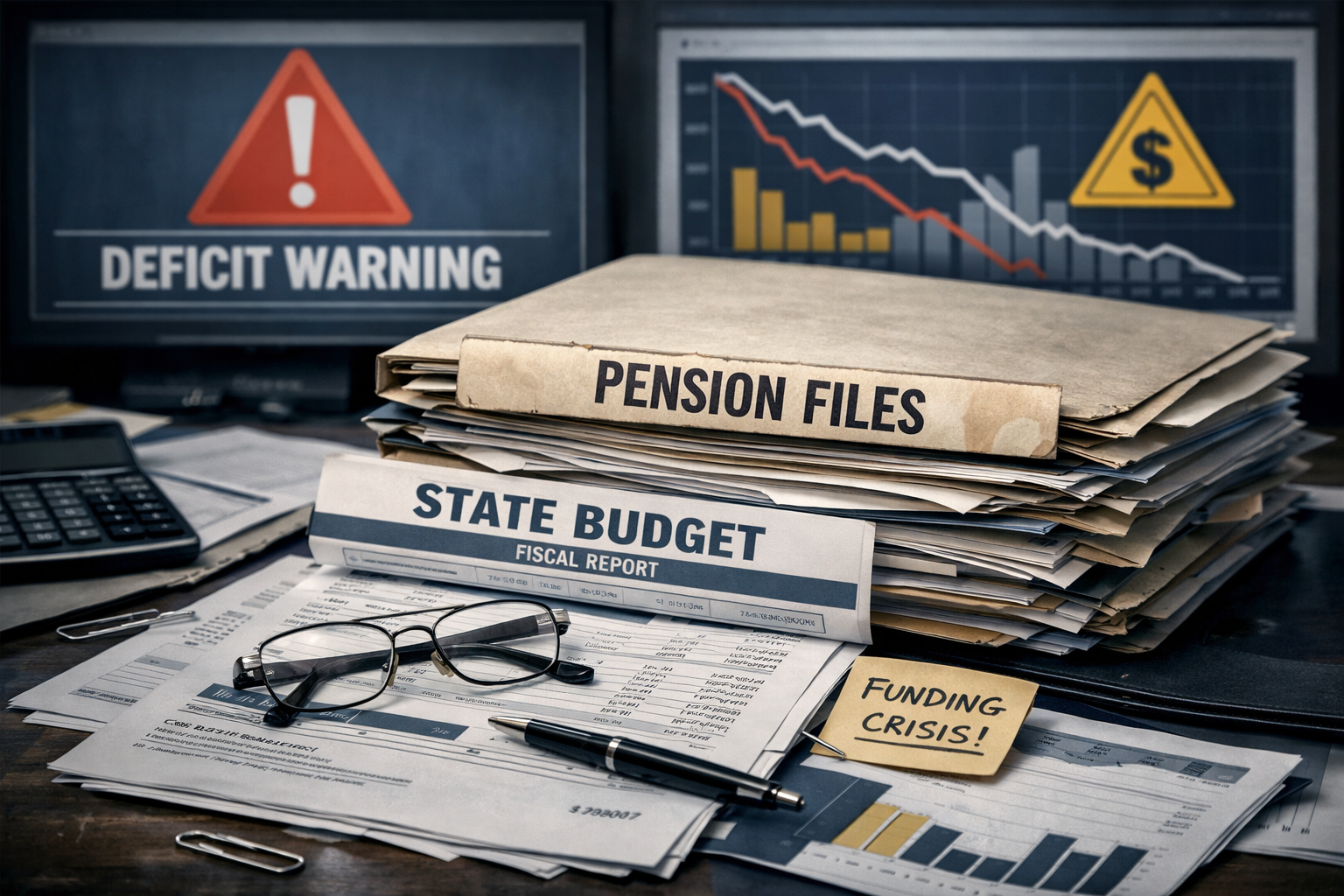
Government priority: preserve fiscal stability, with deficit target at 4.4% of GDP.
Similar to the COVID-19 response, where India avoided large stimulus spending, relying instead on credit guarantees.
Key Drivers / Issues
Modi’s emphasis on fiscal frugality to maintain investor confidence.
High US tariffs on India’s core export sectors.
Bond markets pressuring the government to avoid extra borrowing.
Hope for improved US-India relations or faster diversification into EU markets.
Stakeholder Impact
For exporters, survival depends on credit access and administrative reforms. Workers in affected sectors risk job losses. Government finances stay stable, but growth and employment could suffer. Investors benefit from fiscal caution but face risks from weakened export performance.
Industry & Policy Reactions
Economists warn that relying on credit support and messaging may be insufficient. Exporters expected stronger intervention but face only modest relief. Analysts stress that unless trade ties improve or alternative markets open swiftly, fiscal caution could come at the cost of employment.
Challenges Ahead
Protecting jobs in politically sensitive states.
Diversifying exports to new markets like the EU quickly.
Balancing fiscal credibility with social and political pressures.
Managing potential small business insolvencies if tariffs persist.
Strategic Outlook
India is betting on competitiveness reforms and fiscal restraint rather than costly subsidies. If tariffs ease quickly, the strategy preserves stability. If not, the government may be forced into a tough choice between stimulus and fiscal credibility.
Why This Matters
Trump’s tariffs highlight the tension between short-term relief for exporters and long-term fiscal prudence. India’s cautious stance could safeguard stability but risks leaving vulnerable industries exposed.