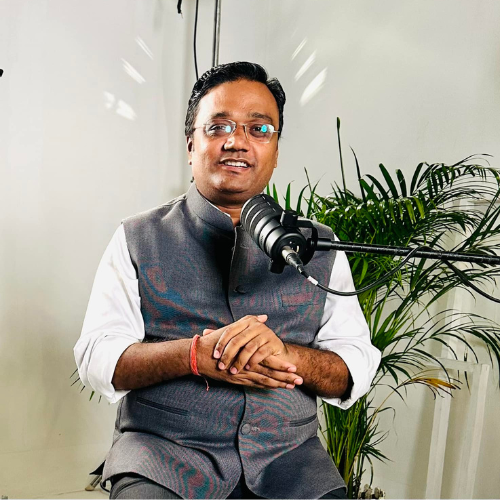
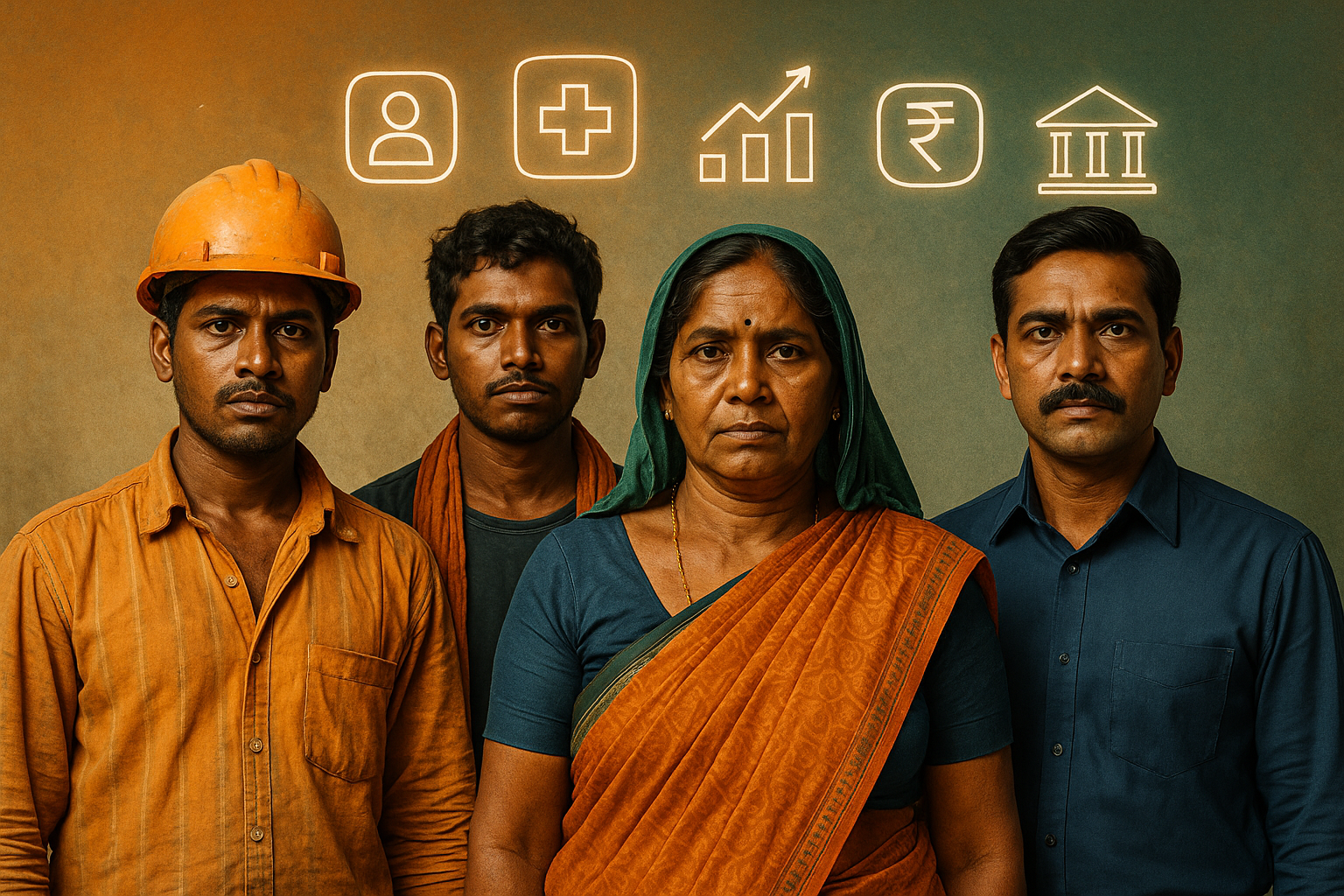
Union Minister Mansukh Mandaviya announced that the government aims to extend social-security benefits to 100 crore workers by March 2026, up from the current coverage of 94 crore. The expanded coverage will rely on digital platforms, improved welfare delivery systems and streamlined enrolment across organised, unorganised and gig-economy workers. The initiative marks a major step toward universal social protection in India. Focus Keyphrase: India social security coverage 100 crore workers.
Core Development
The government has accelerated its mission to widen social-security coverage under schemes related to pensions, insurance and health benefits. With the current coverage at approximately 94 crore workers, the target is to add an additional 6 crore beneficiaries within the next 15 months. The initiative aligns with the broader objective of expanding welfare access across diverse segments including informal labour, platform workers, gig workers and rural labour forces.
Key Drivers / Issues
Several factors are driving the expansion push:
-
A large share of India’s workforce remains partially or fully outside formal social-security nets.
-
Rising participation of gig and platform workers necessitates updated welfare frameworks.
-
Digital identity, Aadhaar-based authentication and unified social-security codes now enable faster enrolment.
-
Strengthening welfare delivery is central to improving the financial resilience of low-income and vulnerable groups.
-
Increased demand for social protection due to economic volatility and sectoral shifts in employment.
Stakeholder Impact
-
Informal and gig workers: Will gain structured access to pension schemes, life-insurance cover, health insurance, maternity benefits and accidental-injury protection.
-
Businesses & employers: Greater clarity around compliance and worker registration under the new social-security architecture.
-
Financial institutions: Higher enrolment may increase demand for insurance products, pension funds and wallet-based welfare disbursements.
-
Government agencies: Must ensure seamless integration of digital platforms, grievance systems and inter-department coordination.
Industry & Policy Reactions
Social-security experts consider the expansion target ambitious but achievable given ongoing digital reforms. Industry bodies welcome the clarity it brings for gig platforms and MSMEs. Policymakers view the move as essential for building a resilient labour market and improving national productivity through welfare stability.
Challenges Ahead
-
Identifying and onboarding workers in remote or informal sectors remains a logistical challenge.
-
Ensuring scheme awareness and preventing exclusion due to digital-literacy gaps.
-
Updating employer-compliance frameworks for MSMEs, gig platforms and contractors.
-
Strengthening fund sustainability and ensuring timely benefit disbursal.
-
Monitoring fraud, duplicate enrolments and system leakages.
Strategic Outlook
The expansion to 100 crore social-security beneficiaries will mark one of the world’s largest welfare-coverage initiatives. Over the medium term, the government aims to build a universal, data-driven social-protection ecosystem with real-time benefit tracking, integrated worker registries and digitised payouts. This will strengthen economic mobility, improve workforce stability and enhance India’s human-capital resilience.
Why This Matters
The India social security coverage 100 crore workers milestone is crucial for building a more inclusive workforce and reducing vulnerability among low-income households. For the BFSI ecosystem, broader social-security penetration expands insurance adoption, pension markets and digital-payment infrastructure, strengthening India’s financial-inclusion efforts.