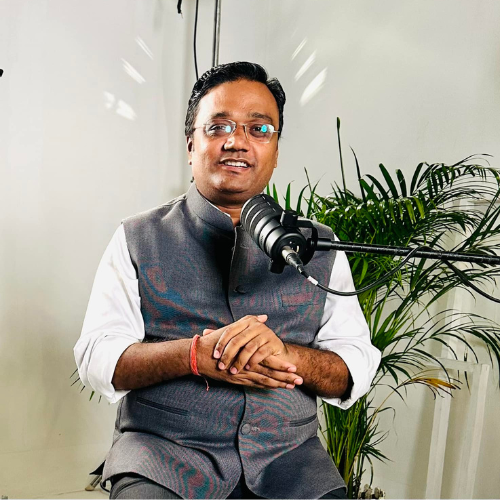
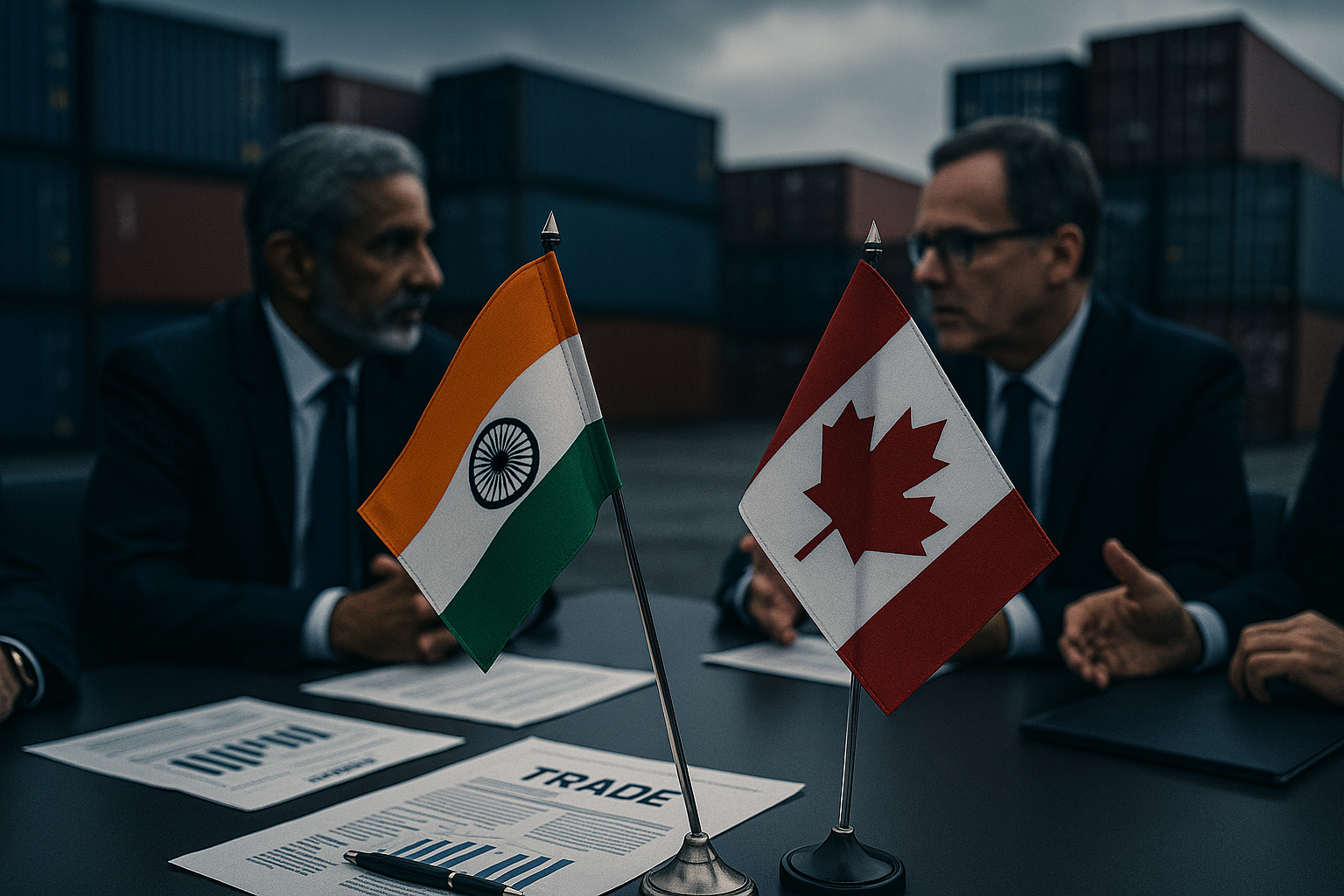
Commerce and Industry Minister Piyush Goyal has said that “all possibilities are on the table” regarding the resumption of India–Canada FTA negotiations, signalling cautious openness despite recent diplomatic tensions. While the talks were paused in 2023, Goyal confirmed that India remains committed to “mutually respectful and mutually beneficial” engagement as long as Canada demonstrates seriousness in resolving pending issues. The statement comes at a time when India is actively pursuing diversified global trade partnerships.
Core Development
Goyal addressed the issue during a media interaction, noting that India has not shut the door on the long-pending Comprehensive Economic Partnership Agreement (CEPA) discussions.
He clarified:
India is willing to restart talks if the environment improves.
Canada must ensure predictable diplomatic conduct for negotiations to move forward.
India continues to expand FTAs with partners in Europe, the UK, Oman, and Peru, and will prioritise regions where progress is steady and respectful.
The India–Canada FTA was originally expected to enhance trade in agri products, pharmaceuticals, services, and skilled worker mobility.
Key Drivers / Issues
Diplomatic tensions that paused CEPA negotiations in 2023.
India’s shift toward trusted trade partnerships amid global tariff adjustments.
Canada’s need to diversify imports away from China and leverage India’s growing market.
India’s continued push for FTAs that support manufacturing, services, and supply chain resilience.
Stakeholder Impact
For businesses, resumed CEPA talks could revive prospects in education, IT services, agri-exports, clean energy, and mobility programs.
For Indian exporters, access to a high-value market like Canada could open opportunities in textiles, engineering goods, and pharmaceuticals.
For Canadian firms, India remains an attractive hub for manufacturing, digital services, and investment diversification.
Industry & Policy Reactions
Trade analysts say Goyal’s statement keeps the diplomatic window open without committing to timelines. Experts view this calibrated stance as part of India’s broader strategy to safeguard economic interests while maintaining geopolitical balance.
Industry bodies in both countries have repeatedly urged governments to revive negotiations, citing strong complementarities in services, agri-trade, critical minerals, and clean-tech collaboration.
Challenges Ahead
Rebuilding political trust between both countries.
Aligning on sensitive sectors, including dairy, mobility, and data regulations.
Ensuring that trade commitments do not conflict with domestic priorities.
Navigating Canada’s internal political dynamics and diaspora-driven issues.
Strategic Outlook
If diplomatic conditions stabilise, CEPA could evolve into a future-ready agreement aligned with supply chain resilience, clean energy cooperation, and digitally enabled services trade. India will likely adopt a gradual, interest-first approach as it reassesses the long-term potential of deeper economic ties with Canada.
Why This Matters
The statement signals that India is willing to explore trade re-engagement — but only if aligned with economic security, political stability, and mutual respect, underscoring its assertive new trade diplomacy.