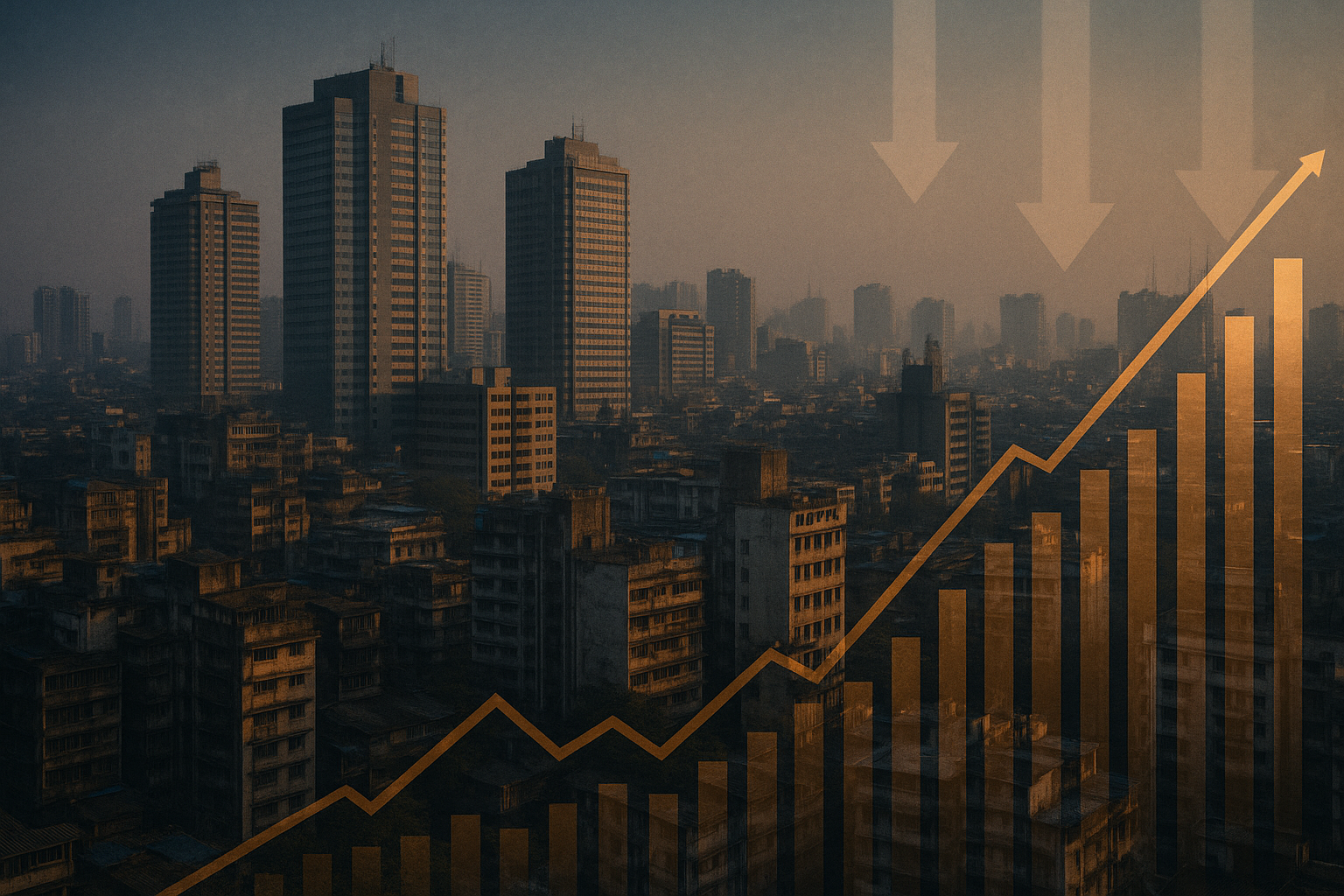

Indian companies remain among the most optimistic globally despite facing rising tariff barriers and geopolitical disruptions, according to a recent HSBC survey. The findings highlight India’s strong business sentiment, resilience in export expectations, and confidence in long-term growth. Several firms also plan to expand internationally despite global trade uncertainties. Focus Keyphrase: Indian companies global optimism survey.
Core Development
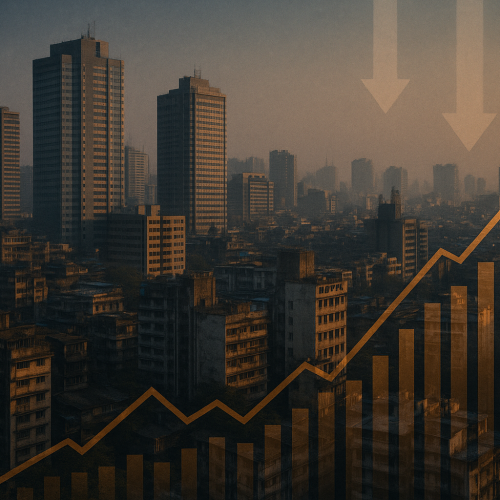
HSBC’s global business survey shows that Indian firms reported the highest optimism among all surveyed countries, reflecting confidence in revenue growth, export expansion and market stability. Indian companies continue to express strong expectations for trade opportunities, even as tariff challenges from major markets increase. The survey also indicates that Indian businesses foresee sustained growth in the next 12 months and continue to prioritise competitiveness, innovation and market diversification.
Key Drivers / Issues
The high optimism is underpinned by several factors:
-
Strong domestic demand, enabling firms to withstand global volatility.
-
Increased focus on product quality, supply-chain resilience and technology adoption.
-
Expansion into new markets in Asia, the Middle East and Africa as part of diversification strategies.
-
Confidence that India’s policy framework and infrastructure push will support long-term growth.
Meanwhile, rising tariffs — especially from major economies — continue to pose structural challenges for exporters.
Stakeholder Impact
For businesses, sustained optimism drives investment intentions and expansion plans across sectors. Exporters benefit from diversified market strategies and improved product competitiveness. Investors may view this sentiment as a sign of economic stability, supporting capital inflows. Policymakers gain insights into industry expectations, helping align future trade and industrial strategies. For BFSI players, rising business confidence translates into increased demand for credit, trade finance, insurance and treasury services.
Industry & Policy Reactions
Industry groups view the survey results as a reflection of India’s evolving manufacturing base and strengthening global presence. Policymakers interpret the findings as validation of India’s reforms in logistics, digitalisation and market-access initiatives. However, analysts caution that tariff-related disruptions — particularly from advanced economies — could moderate export momentum if not addressed through strategic trade partnerships.
Challenges Ahead
Despite strong sentiment, Indian firms face multiple headwinds:
-
Tariff barriers that raise costs and reduce competitiveness in key export markets.
-
Supply-chain bottlenecks and shipping-cost volatility.
-
Rising compliance requirements in global markets involving sustainability, data and labour standards.
-
Geopolitical uncertainties that may affect both sourcing and market access.
Companies will need strategic risk-management and innovation to sustain their momentum.
Strategic Outlook
Looking ahead, Indian companies are expected to continue investing in new technologies, product development and market expansion. Diversification into non-traditional export markets and forming resilient supply-chain partnerships will be key strategies. With India emerging as a strong global growth engine, the optimistic outlook may translate into stronger trade performance, rising investments, and expansion opportunities for BFSI institutions supporting corporate growth.
Why This Matters
The strong optimism revealed in the HSBC survey indicates growing confidence in India’s economic trajectory, even as global trade becomes more challenging. For policymakers and BFSI stakeholders, this sentiment highlights robust business resilience, stronger export strategies and significant opportunities for financing, risk solutions and capital-market activity.